Caffeine is a powerful antagonist of adenosine receptors, which promote relaxation and sleepiness. Cornell CALS research finds that suppressing the receptors also decreases the ability of people to taste sweetness.
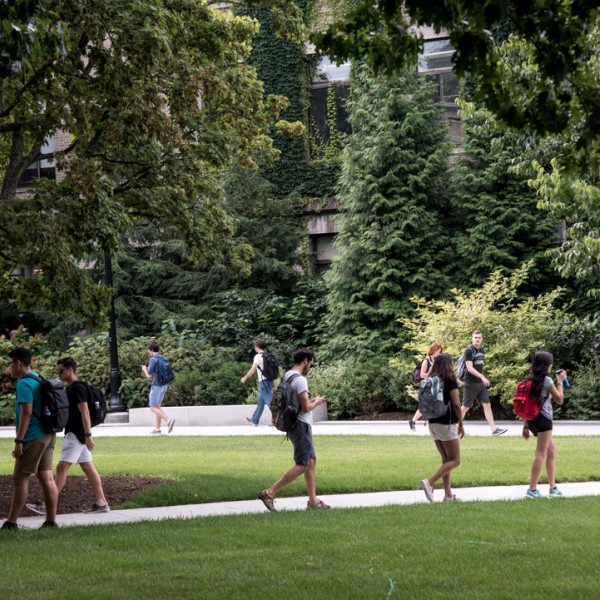
CALS students are a unique blend of academic standouts, group leaders and those passionate about making a difference in the world. And this year’s newest students are no exception.
Discover the passionate interests that get these faculty members out of bed every morning, and learn a little of the personal side of our newest CALS colleagues.
Research investment from the Cornell University Agricultural Experiment Station (CUAES) will fund six proposals over three years focused on developing computational and informational technologies to create more profitable, efficient and sustainable agricultural practices.
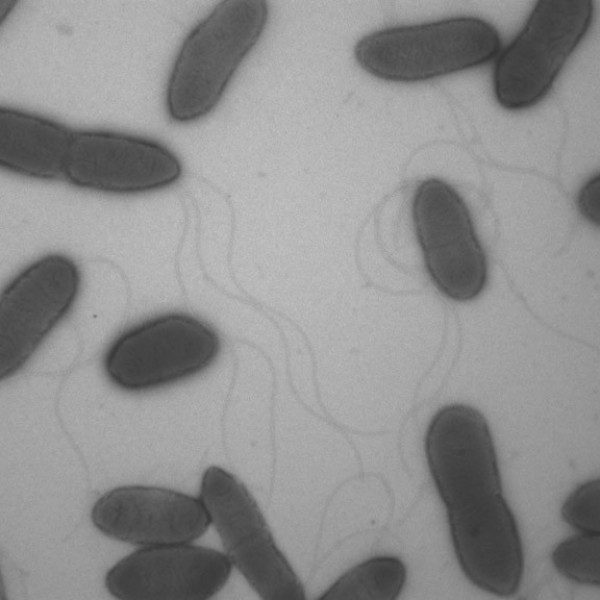
A study describes for the first time evidence of "jumping genes" adopting a bacterial immune mechanism for transferring genetic material between bacteria and across bacterial species.
A fungus known to decimate populations of gypsy moths creates “death clouds” of spores that can travel more than 40 miles to potentially infect populations of invasive moths, according to a new Cornell study.
The projects are part of a three-year collaboration made possible by a $1.7 million grant from Cornell alumnus and private investor David Atkinson ’60 and his wife, Patricia Atkinson.
Fourteen Cornell students and recent alumni are setting out this fall for destinations around the world, thanks to grants from the Fulbright U.S. Student Program.
One of Cornell's Titan arums ( Amorphophallus titanum)—a rare plant also known as a "corpse flower" for the deathly odor it produces at flowering—bloomed outdoors in August.
Lynn Wooten joined Cornell July 1 as the David J. Nolan Dean and a professor of management and organizations in the Charles H. Dyson School of Applied Economics and Management.
Multidisciplinary approach that combines tools from molecular biology, analytical chemistry and computational modeling is being used to understand phosporus in the environement.
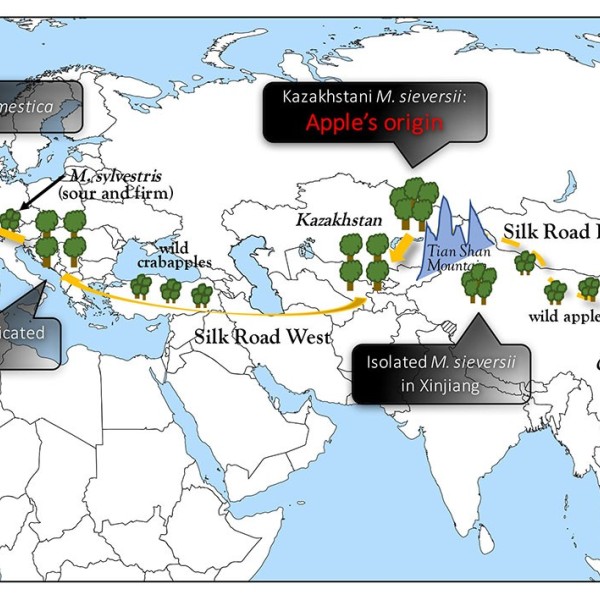
Centuries ago, ancient networks of the Silk Road facilitated political and economic openness between nations of Eurasia. This network also opened pathways for genetic exchange that shaped one of the world’s most popular fruits: the apple.
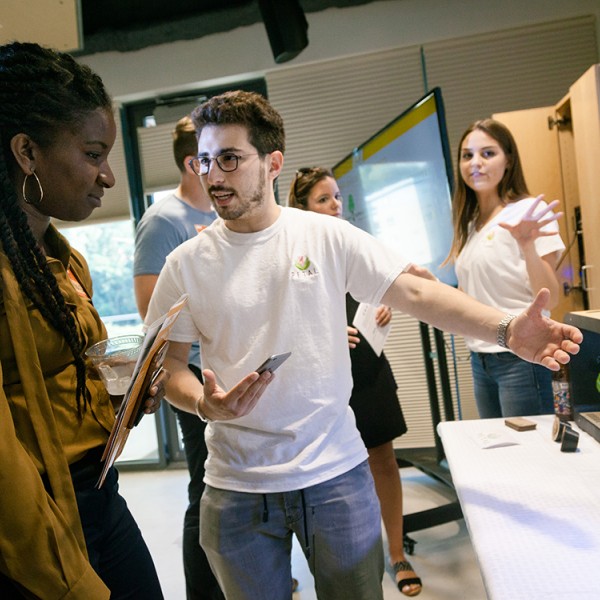
What do cat carriers, multifaceted keyboards and genetically engineered bacteria have in common? They are all products brought to life during this year's summer hardware program at Rev: Ithaca Startup Works.