

Blue Lobelia
Growth Habit
HerbaceousPropagation
Biocultural Value
The Cherokee used blue lobelia for a wide range of medicinal applications, including as a remedy for headaches, worms, rheumatism, fever, and syphilis. The Haudenosaunee prescribed an infusion of the smashed plant to fight bewitchment and used it as a gargle for coughs. The Meskwaki valued blue lobelia as medicine to end quarrels among couples and renew their love.
Poisonous:
Lobelia contains a host of toxic alkaloids, including many with structural similarities to nicotine. Overdoses of the plant induce vomiting, sweating, pain, paralysis, low temperature, rapid but feeble pulse, collapse, coma, and even death.
Wildlife Value
Great blue lobelia is typically pollinated by bumble bees (Bombus spp.). Digger bees (Anthophora spp.), also collect nectar from the flowers, while yellow-faced bees (Hylaeus spp.), green sweat bees (Augochlorini tribe) and small carpenter bees (Ceratina spp.) visit great blue lobelia for both pollen and nectar. Pink-washed looper moth (Enigmogramma basigera) larvae eat the leaves and weevils (Cleopomiarus hispidulus) feed on the seeds. Most mammalian herbivores avoid blue lobelia's toxic foliage, although deer have been seen browsing on it.
Poisonous
YesLocation
Edwards Lake Cliffs Preserve, Fischer Old-growth Forest, Mundy Wildflower GardenCultivation
Description
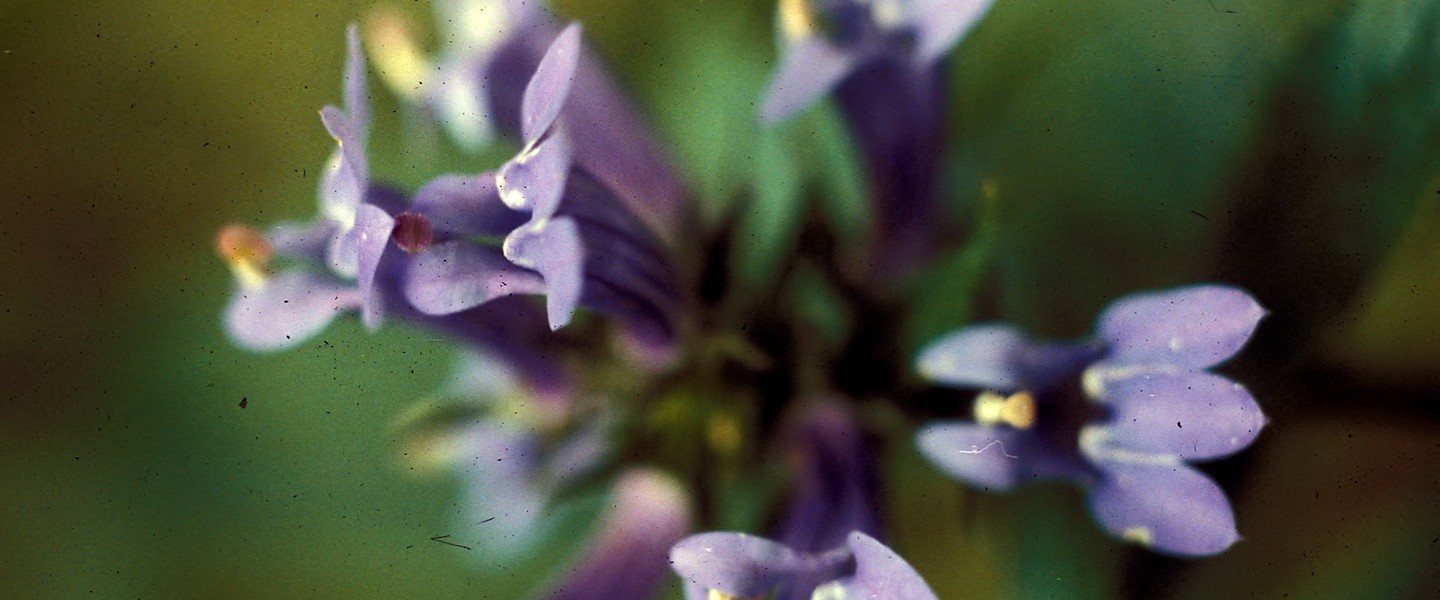
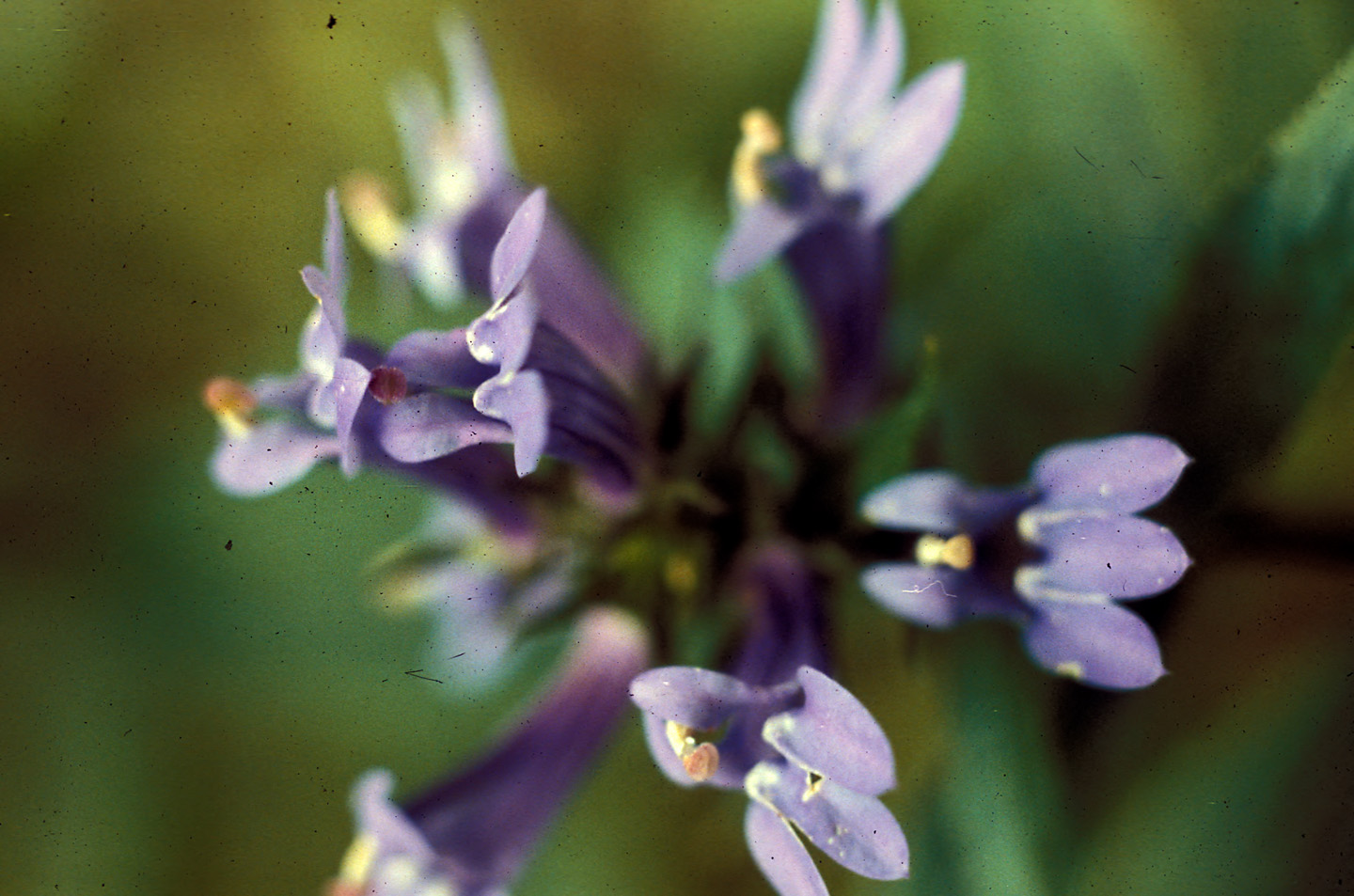
Leafy rosettes above which rise erect stems well set with clear blue flowers for many weeks. Plants 3'tall, 1' wide; summer blooming.
Source of plant
Richters, Ridge House Gardens, Bluemount Nurseries

