

Yellow Jewelweed
Impatiens pallida
Balsaminaceae
Growth Habit
HerbaceousBiocultural Value
Like its relative orange jewelweed, pale jewelweed has a history of use as a remedy for skin problems. Several Native American groups applied the crushed stalks and juice to skin afflicted by hives, poison ivy, blisters, sores, rashes, and eczema. The plant was also used to induce childbirth and ease the pain of delivery.
Wildlife Value
Pale jewelweed flowers primarily attract ruby-throated hummingbirds and bumblebees (Bombus spp.). The latter are especially common visitors, and sometimes "rob" nectar by perforating the spurs. Moth caterpillars feed on the foliage. Gamebirds and mice eat the seeds, which are released when seed pods explosively dehisce. White-tailed deer browse on the foliage.
Location
Edwards Lake Cliffs Preserve, Fall Creek Gorge, Mundy Wildflower GardenCultivation
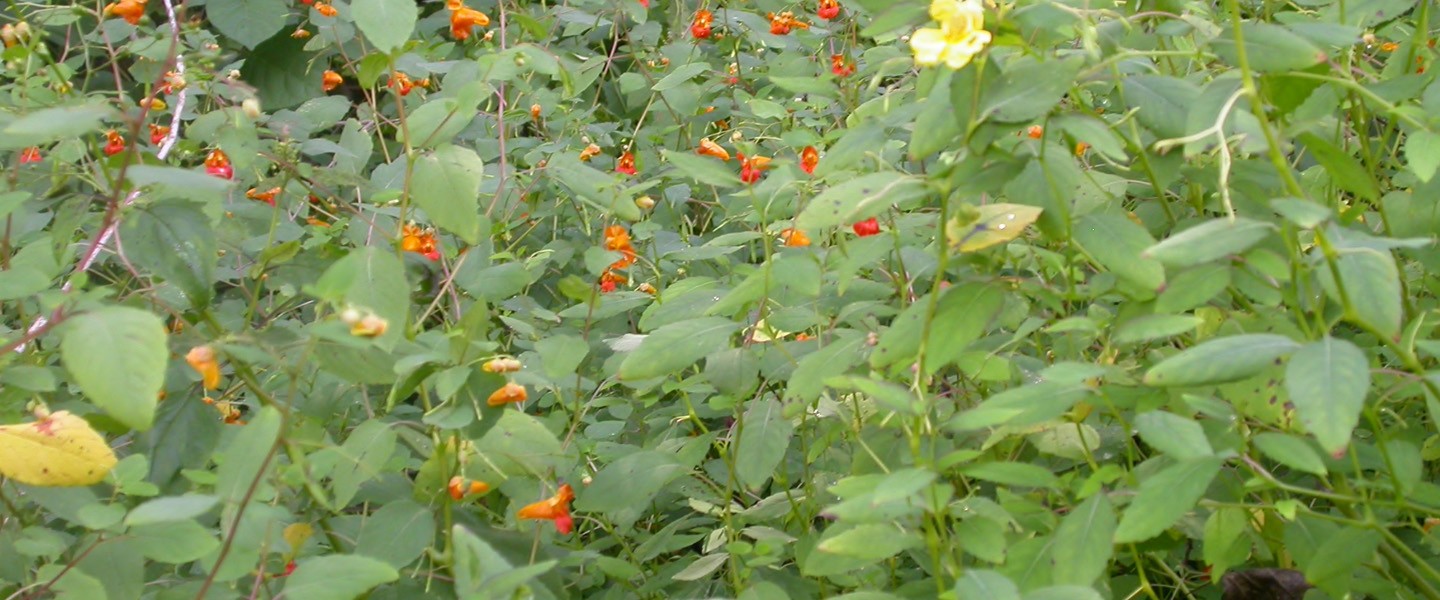
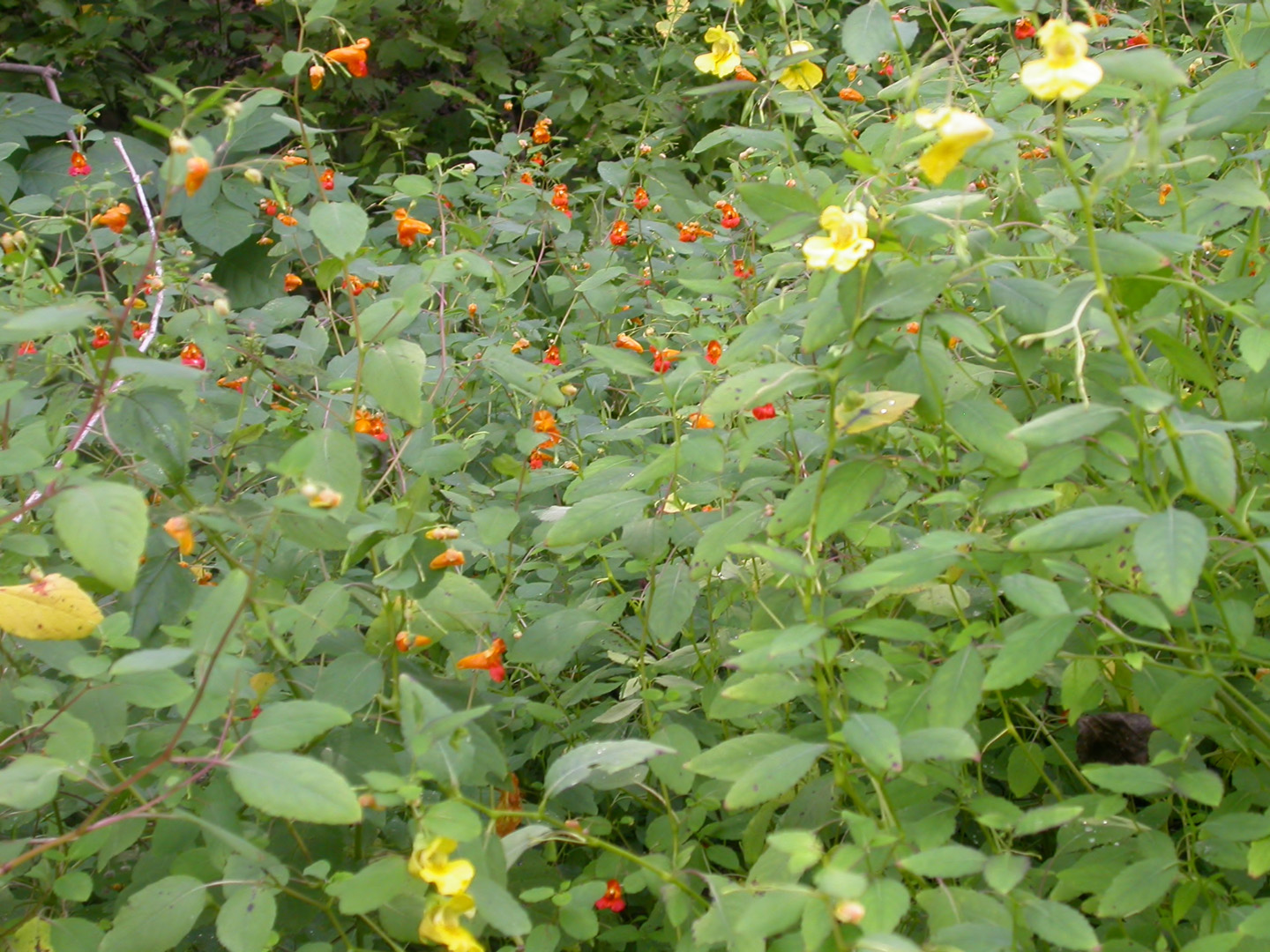
A 2-5' tall annual with weak, watery stems and pale yellow, cornucopia-shaped flowers. Seed pods explosively dehisce. Reseeds to form large colonies under ideal growing conditions.
Light: part to full shade
Moisture and Soil: medium to wet, humusy soil
Special characteristics
Best known for the fruits, capsules, which open explosively when touched.Status
L4|S5|G5

