


Featured
News
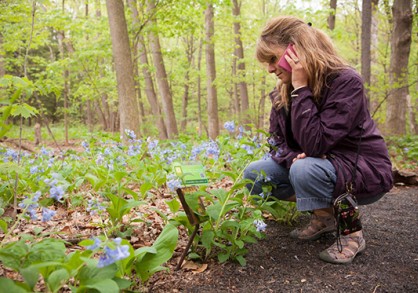
Cornell Botanic Gardens introduces self-guided tours in Spanish and Mandarin
Visitors to Cornell Botanic Gardens can now experience the beauty and cultural richness of the gardens, arboretum, and natural areas in more languages.
News
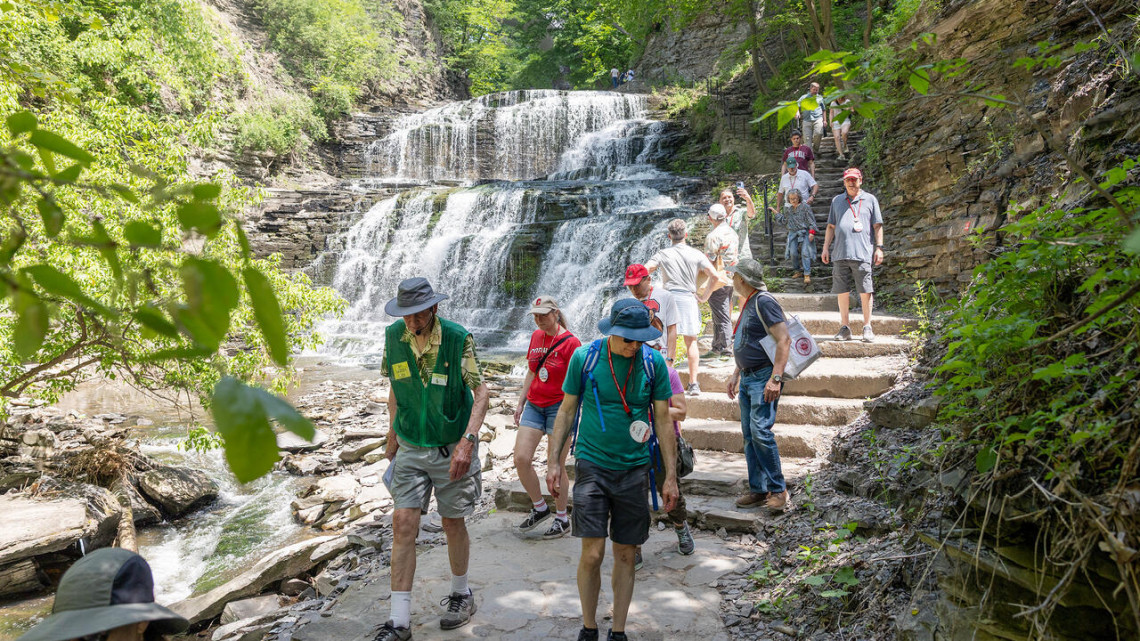
How to safely enjoy Cornell’s gorges
Cornell Chronicle, June 22, 2026—Cornell’s Gorge Safety Program, which combines education and enforcement ,works to ensure safe use of Cornell’s gorges
News
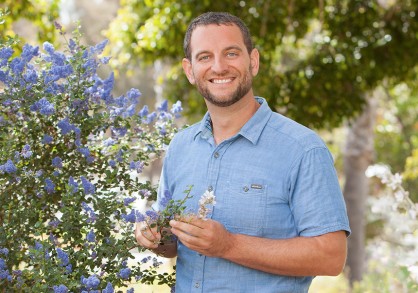
Ari Novy named executive director of Cornell Botanic Gardens
Biologist, science educator, will lead the botanic gardens starting March 1st, 2026
Upcoming Events

Event
October 17, 2026:
Fall Colors Walk at F. R. Newman Arboretum
Ever wonder why trees change color? Take a leisurely walk to admire the dynamic fall colors while learning how trees are responding to the changing seasons. Beginning in the...
Event
October 18, 2026:
“Cultivating Hope: Plants and Indigenous Knowledge” Plant Exhibition Tour at Brian C. Nevin Welcome Center
Join us to explore plants that are deeply connected to Indigenous cultures and discover how relationships rooted in respect, reciprocity, and responsibility have sustained...

Event
November 4, 2026:
The Light Eaters: How the Unseen World of Plant Intelligence Offers a New Understanding of Life on Earth
We often recognize agency, decision making, and communication from a distinctly human perspective. However, when we examine the world of plant life, we can see that they too...

Cornell University is located on the traditional homelands of the Gayogo̱hó꞉nǫ' (the Cayuga Nation), members of the Haudenosaunee Confederacy.

Cornell Botanic Gardens embraces and actively works to increase diversity among all the communities with which we engage.

News
Medicinal garden at Onondaga Nation School grows opportunityStudents in the Learning by Leading program engaged extensively with the Onondaga Nation School on native plants and design ideas.
Our Gardens and Natural Areas
We are responsible for the natural beauty of the Cornell University campus including cultivated gardens, an arboretum, and natural areas. Together these comprise one-third of campus, and with off-campus natural areas, a total of 3,600 acres.


What to see in fall
Fall is a magical time with stunning vistas of fall foliage, ripening produce in our vegetable garden, and ornamental grasses and late-blooming flowers.