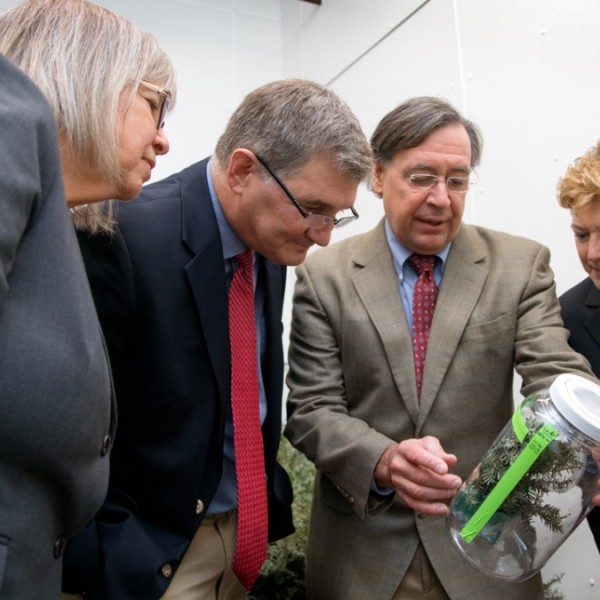
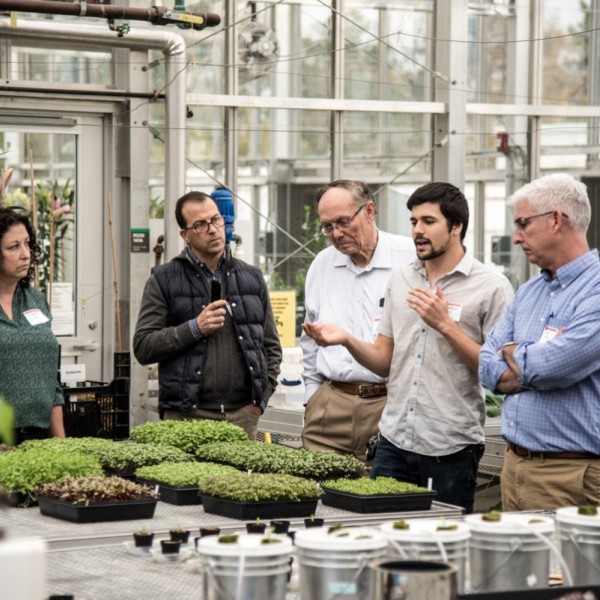
The Cornell CEA Advisory Council recently hosted on campus more than 80 entrepreneurs and stakeholders from across the Northeast to discuss the state of the indoor farming industry, urban agriculture, supermarket trends and new technology.
At a public forum Nov. 14 in Queens, New York, assistant professor Toby Ault suggested strong carbon-tracking improvements be included in a proposed New York State Senate bill intended to mitigate the state’s greenhouse gas emissions.
Professors Daniel Barbarsh, Amanda Rodewald and Christine Smart were elected fellows of the American Association for the Advancement of Science (AAAS), the world’s largest general scientific society.
Harvest New York, created to help industry professionals add value to agriculture and learn food safety, holds workshops throughout the year across New York.
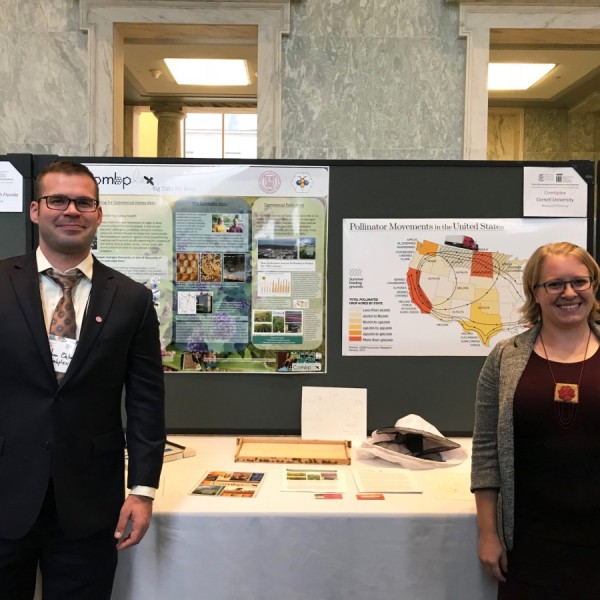
A startup run by two Cornell doctoral students presented their bee colony monitoring technology in Washington, D.C., Nov. 14, highlighting the role of federal funding in the innovation process.
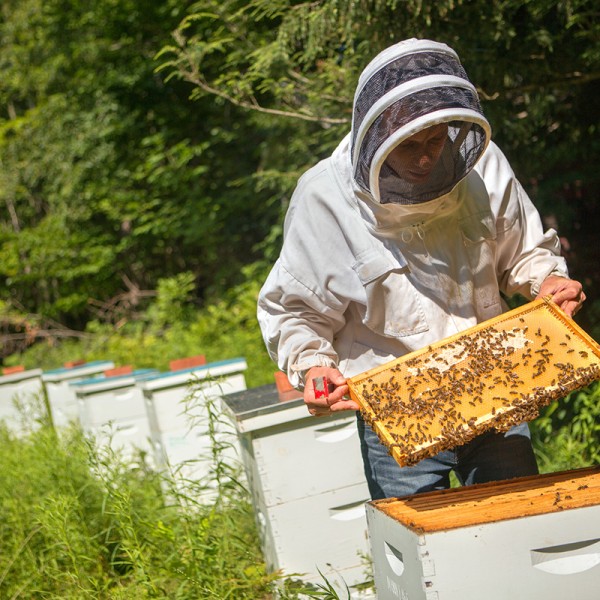
A Cornell CALS study finds that fungicides – particularly chlorothalonil, a general-use fungicide often found in bumblebee and honeybee hives – may negatively affect bee health.
COP23 is the annual global United Nations gathering where countries grapple with climate change. Seven Cornell students seized a rare opportunity to mingle with key figures from leading non-governmental organizations, businesses and governments around the world.
Eleven Cornell CALS students showcased their agricultural leadership skills at the Agriculture Future of America (AFA) conference Nov. 2-5 in Kansas City.