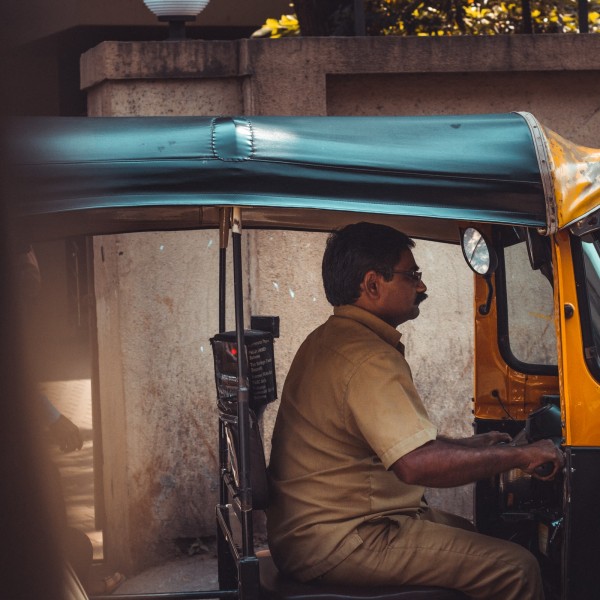
New research from the Tata-Cornell Institute for Agriculture and Nutrition (TCI) sheds light on the patterns of obesity within India, underscoring the need for policies and programs that consider the factors driving obesity rates within...
Charles H. Dyson School of Applied Economics and Management
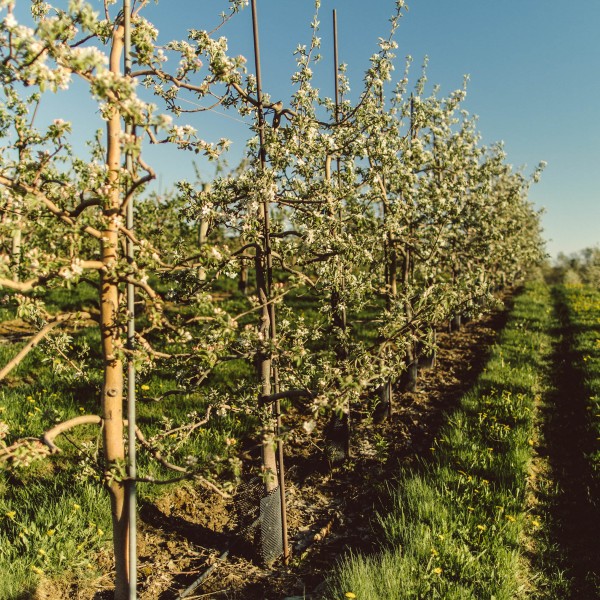
At the 2021 joint meeting of the American Society for Horticultural Science (ASHS) and the American Pomological Society (APS), Cornell apple researcher Terence Robinson was elected an ASHS Fellow, awarded the APS’s Wilder Medal and was co-author...
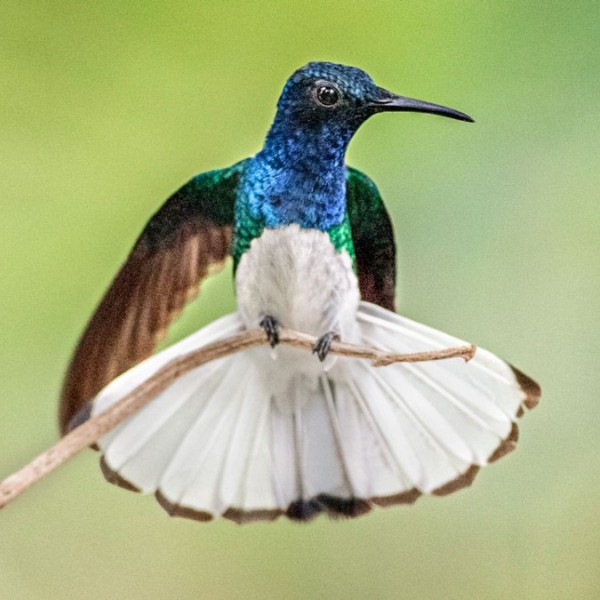
New research on the glittering white-necked jacobin hummingbird reveals nearly 20% of the species’ adult females have male-like plumage. Why? To dodge bullies and get better access to food, according to new Cornell research.
Starting this fall, students can choose the new minor, which takes a multidisciplinary approach to help students understand the broad role of ag and food systems in feeding humans and impacting the natural environment.
Scientists and water managers are working to predict conditions that create color changes and algal blooms, but that’s easier said than done. Researchers have mostly assumed that the ecosystem relationships that lead to these shifts are linear...
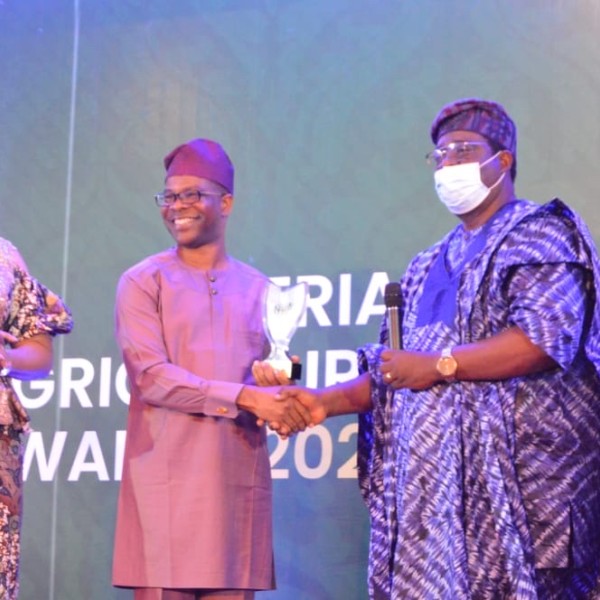
NextGen Cassava project director Chiedozie Egesi was announced as the 2021 Achiever in Agriculture Award for his work creating a platform to deliver resilient food systems in Nigeria.
The risk of airplanes colliding with birds increases greatly during migrations, according to research from the Cornell Lab of Ornithology and partners, who have been looking for patterns in data from three New York City-area airports.
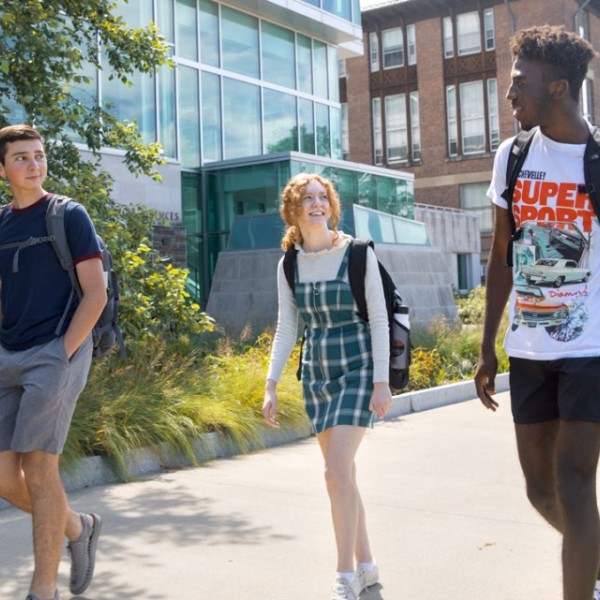
Participating in Cornell’s Prefreshman Summer Program (PSP) helped Canyon Cross ’25 – a first-generation college student from Texas who hopes to major in biology and society – realize in advance how challenging the work would be.
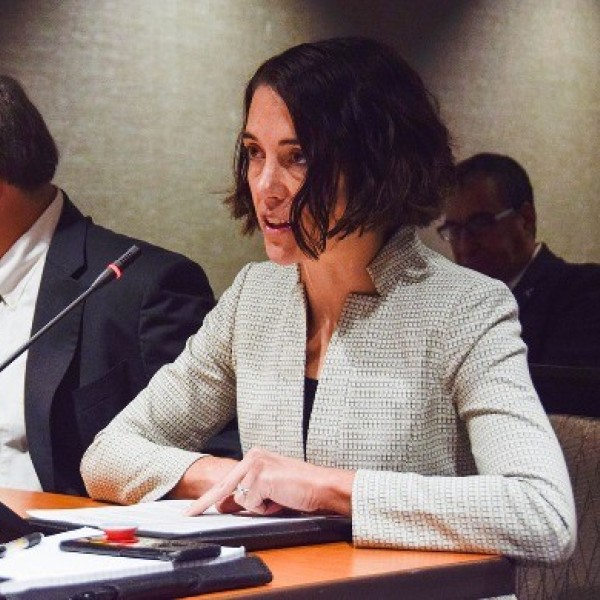
Gretchen Goldman ‘06 is helping to inform policy at the highest level as the assistant director for environmental science, engineering, policy and justice for the White House Office of Science and Technology Policy.
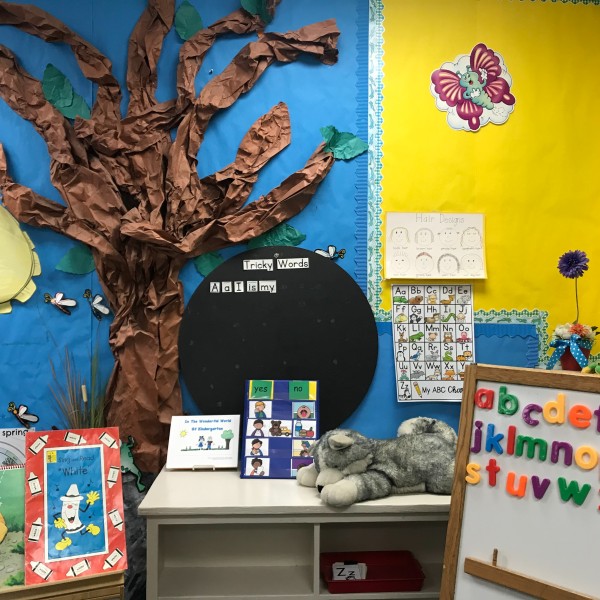
A new Cornell engaged learning course, co-sponsored by the Rural Schools Association of New York State, aims to help under-resourced schools identify critical funding needs, then seek grant funds to support programming.
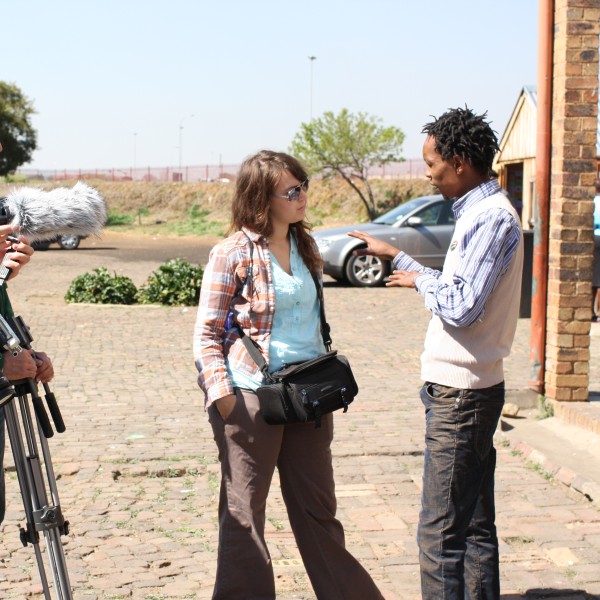
According to new multi-institution research led by Jeff Niederdeppe, professor in the Department of Communication in the College of Agriculture and Life Sciences, that all depends on whose hearts and minds are in the audience. For turning...
This year the BGRI will host a virtual conference October 6-8 with the theme “Global Resilience: Science, Pandemics, and the Future of Wheat.” The 2021 BGRI Virtual Technical Workshop will explore how nearly two decades of monitoring and responding to wheat rust epidemics can provide lessons for other global disease outbreaks such as COVID-19. Keynote speakers will draw attention to how we can apply the lessons learned from wheat research and epidemic response to other pandemic diseases facing today’s world.
The National Science Foundation has awarded a nearly $2 million collaborative research grant to principal investigators from Cornell, the University of Nebraska, Lincoln, and the University of Maine to assess the effectiveness of open educational resources in teaching core biology concepts, facilitating student-centered learning and supporting diversity, equity and inclusion.
Lisa Watkins, graduate researcher in our Department of Biological and Environmental Engineering, analyzes streams and engages communities to reduce the plastic from clothes, grocery bags, and other products in our waterways.
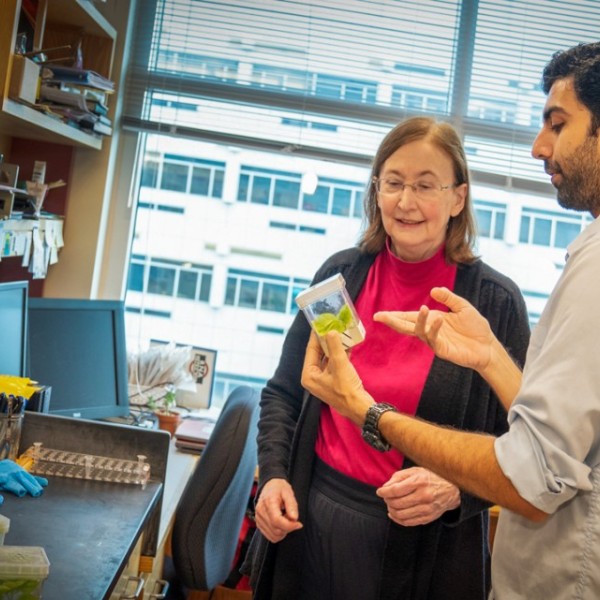
Blue-green algae (cyanobacteria) are known to photosynthesize more efficiently than most crops, so researchers are working to put elements from cyanobacteria into crop plants. A new study describes a significant step towards achieving that goal...
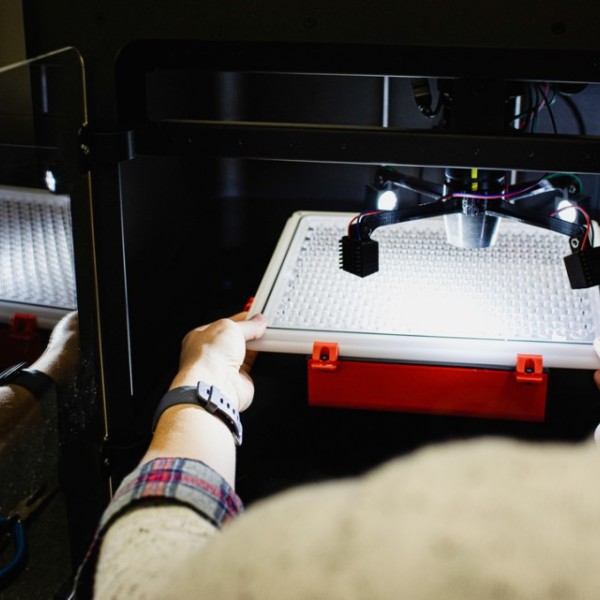
A radical collaboration between a biologist and an engineer is supercharging efforts to protect grape crops, and the technology they’ve developed will soon be available to researchers nationwide.
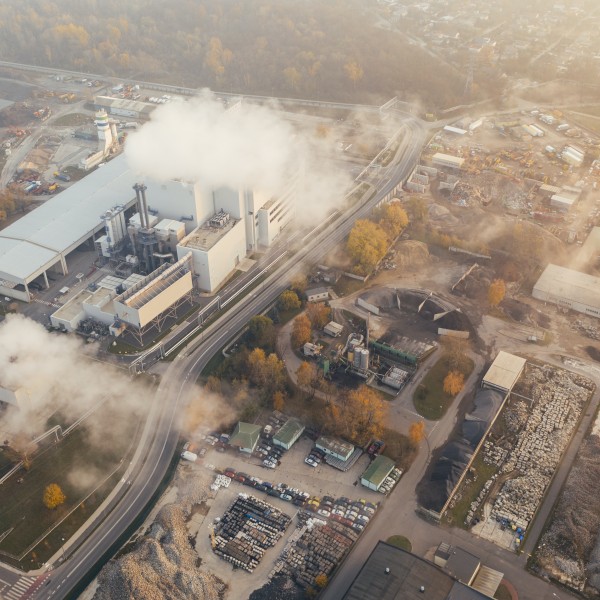
‘Blue hydrogen – made by using methane in natural gas – is lauded a clean, Cornell and Stanford researchers believe it may harm the climate more than burning fossil fuel.