


Black Snakeroot
Growth Habit
HerbaceousPropagation
Seed Treatment and Storage: cold/moist stratify
Biocultural Value
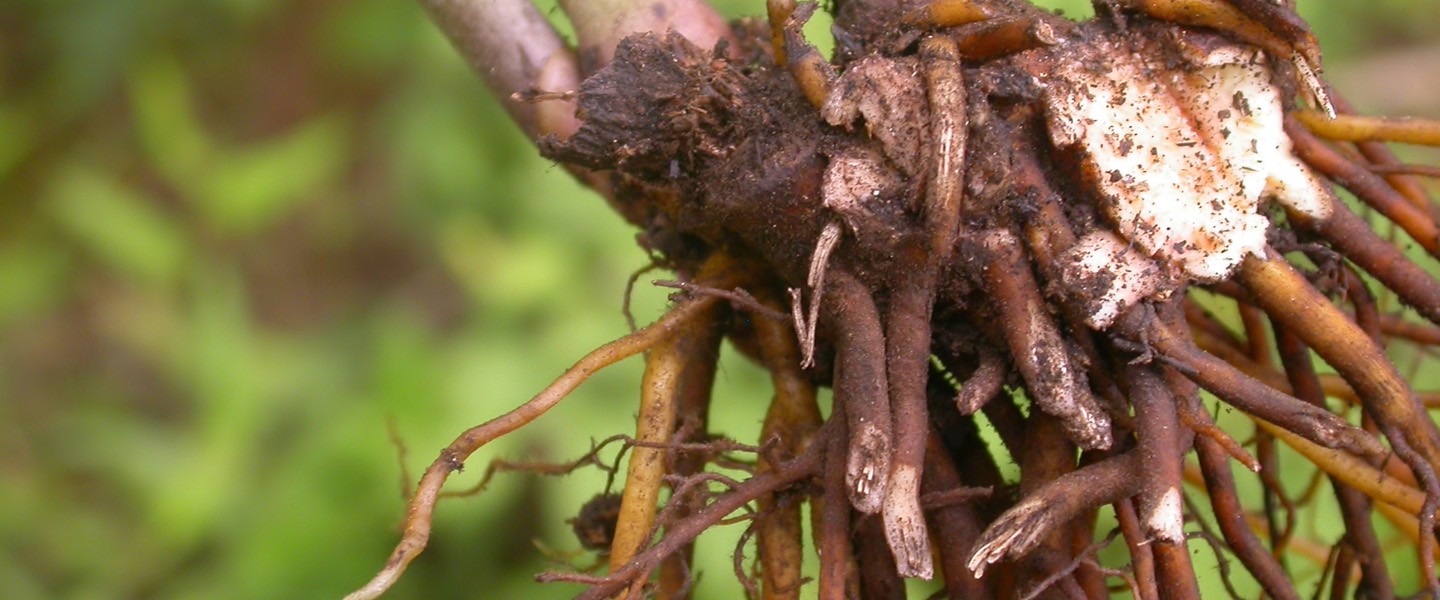
The Cherokee used black cohosh in a wide range of medicinal applications, including as an antirheumatic, laxative, diuretic, and tonic ingredient. The Haudenosaunee also used it to promote milk flow in lactating women and as a blood purifier. The Micmac and Penobscot both prescribed the root for kidney issues.
Poisonous
Bugbane contains the toxin protoanemonin and is poisonous in large doses.
Wildlife Value
Bugbane flowers provide both nectar and pollen to insect visitors. Caterpillars of the Appalachian azure butterfly (Celastrina neglecta-major) feed exclusively on bugbane, but the insect's range does not extend to the Cayuga Lake Basin. Mammalian and many insect herbivores steer clear of bugbane's toxic foliage.
Poisonous
YesLocation
Mundy Wildflower GardenCultivation
Description
Beautiful, divided, fresh green leaves make a pleasing clump. The flowers are produced earlier in the season than those of other species; they are pure white branching bottle-brushes; late flowering stems are frequently produced. Blooming season is summer. Plants 5' tall, 2' wide.
Source of plant
Bluebird Nursery Inc., Panfield Nurseries Inc., Shady Oaks Nursery, Sunny Border Nurseries

