

Red Oak
Growth Habit
TreeBiocultural Value
Native Americans used northern red oak bark to treat mouth sores, infections, chapped skin, and coughs. Acorns yield a valuable edible starch once leached of their bitter tannins. Tannins were used to tan leather and as a dye. The hard wood was (and is) used for lumber, carving, fuel, and basketry. Some groups, including the Cherokee, used the broad leaves to wrap bread dough for baking.
Wildlife Value
Red oak is an extremely valuable tree for many kinds of wildlife. The foliage is eaten by a broad range of caterpillars, wood-boring beetle larvae, leaf beetles, leafhoppers, treehoppers, and plant bugs. Characteristic galls are formed by the larvae of the large oak apple gall wasp (Amphibolips confluenta) and succulent oak gall wasp (Dryocosmus quercuspalustris). Acorn weevils (Curculio nasicus and C. sulcatulus) eat the large acorns, which are also a major food source for many mammals (and some birds). The tree provides roosting and nesting sites for a variety of birds and small mammals, both on the branches and in cavities.
Location
Bald Hill and Caroline Pinnacles, Edwards Lake Cliffs Preserve, Fall Creek Gorge, Fischer Old-growth Forest, Slaterville 600, Polson Preserve, Ringwood Ponds, Steep Hollow Creek, Mundy Wildflower GardenCultivation
Description
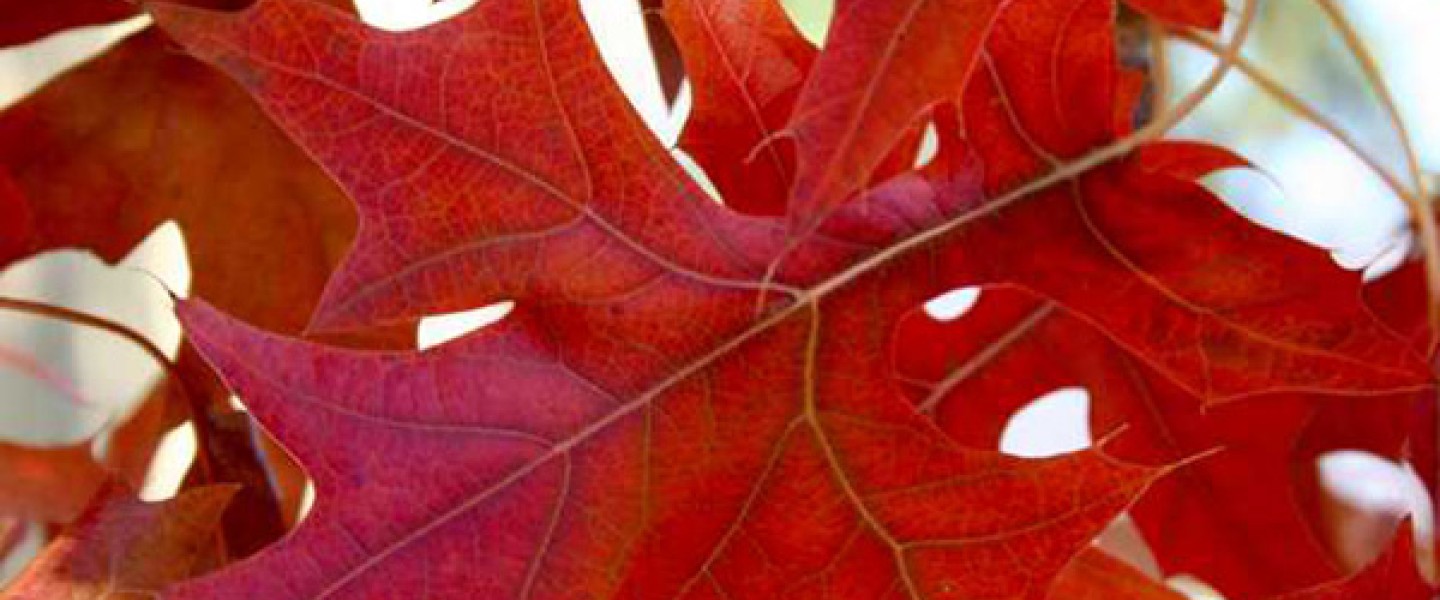
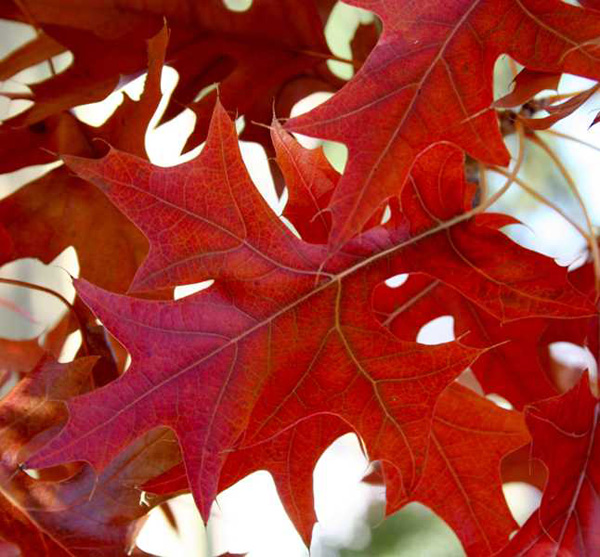
Rounded habit in youth, in old age often becoming round-topped and symmetrical; relatively fast growing(can grow 2' per year over a 10 year period). Fall color russet-red to bright red. Plants 60-75' tall,40-50' wide, although can attain over 100' in height in the wild.
Source of plant
Doug Goldman, Horticultural Associates, Prof. Beal, Weston Nurseries, Village Greenhouse, Schichtel's Nursery, Cornell Botanic Gardens, John Ewanicki, Smith Nursery Company, Edgewood Nursery, Lake County Nursery Inc.

